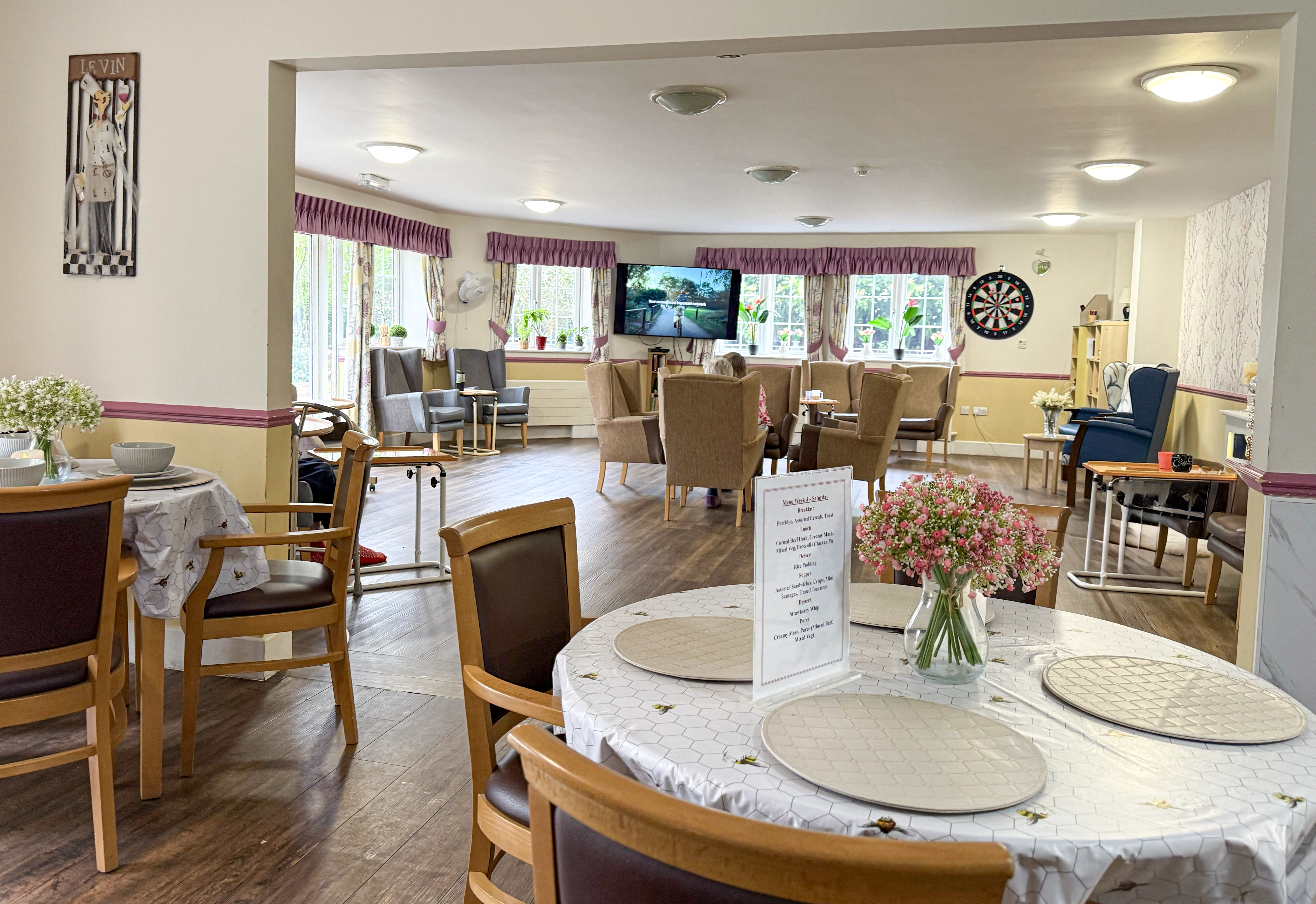
As our loved ones grow older, their daily needs and living situations naturally evolve. For many seniors, managing a household alone becomes increasingly difficult and isolating. Residential care offers a secure, communal environment where individuals receive tailored assistance with daily tasks while maintaining their independence, dignity, and active social life.
Understanding what residential care includes and how it supports both physical health and mental wellbeing is essential for families evaluating future care options in the UK.
1. Tailored Daily Support and Personal Care
The core objective of residential care is to simplify daily life by removing the stress of chores, cooking, and home maintenance. Care professionals are on-site 24/7 to provide assistance with:
- Personal Care: Respectful, dignified support with bathing, dressing, grooming, and mobility.
- Medication Management: Ensuring prescriptions are taken safely, accurately, and on schedule.
- Household Needs: Complete laundry services, daily room cleaning, and building maintenance, freeing residents to enjoy their time.
Residential care does not mean giving up independence; it means receiving the right support so you can focus on the things you truly enjoy.
2. Social Community and Engaging Activities
Loneliness and social isolation are major issues for older adults living alone, which can significantly affect cognitive health. In a residential care home, community is built into daily routines. Residents benefit from:
- Shared Dining: Nutritious, chef-prepared meals served in warm dining rooms, encouraging conversation and companionship.
- Daily Activities: Organised clubs, movie nights, exercise classes, art workshops, and outings to local areas.
- Friendships: Opportunities to interact with peers and care teams, creating a sense of belonging and mutual support.
3. 24/7 Security and Peace of Mind for Families
For family caregivers, the constant worry about a loved one falling or experiencing a medical emergency can be exhausting. Residential care provides a structured safety net. Homes feature call systems in every room, secure, level flooring, and round-the-clock staffing. This peace of mind allows family relationships to return to normal, focusing on quality time rather than care duties.
